The post Effective Practices for Online Tutoring appeared first on Test.Evelyn.
]]>The moniker Instructional Designer has to be understood before we enter an in-depth article about Best Practices for Effective Online Tutoring. (You can skip the following section if you’re already familiar with the term.)
Instructional Designer
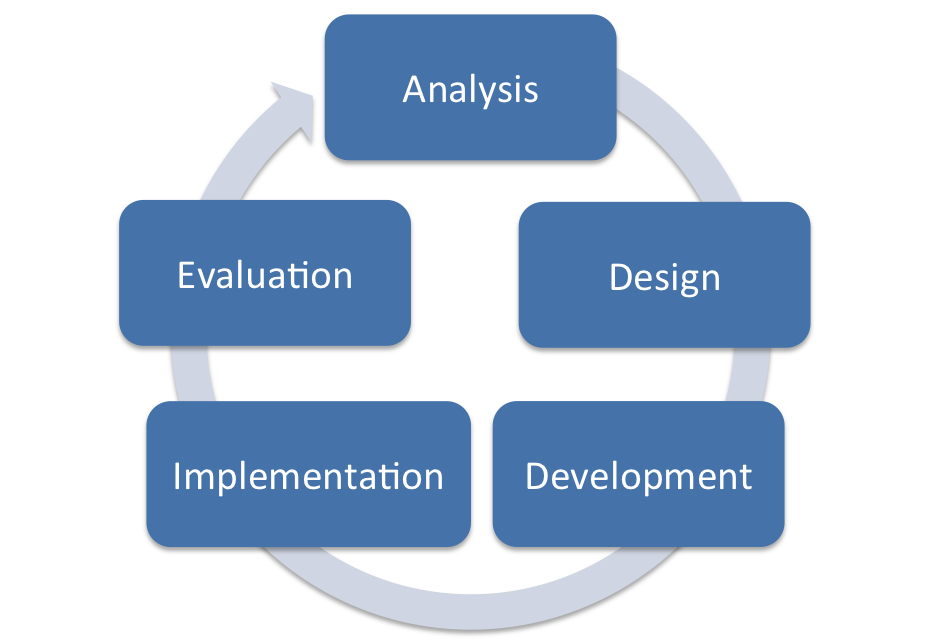
An Instructional Design or Instructional System Design is known as a systemized organization of learning material and resources to achieve the desired learning objective and acquisition of knowledge. It is a multistep procedure that involves identifying the objective, to begin with, followed by devising a strategic plan to achieve the same, developing suitable learning material and resources, and assessing its efficacy. An Instructional Design is created by an Instructional Designer.
The key responsibilities of Instructional Designers include:
- Identify the student’s needs and help the faculty set teaching goals.
- Keeping in mind the student’s proficiency and factors associated with effective online tutoring and learning (schedule, study environment, comfort level), they strive to create a fluid course content to keep the learners constantly engaged.
- Work with the respective Subject Matter Experts (SMEs) to help create coursework and assessment tools (quizzes, tests, et al.) that are suited to the needs of the student.
- In coordination with SMEs, design- and tech teams, they ensure that the interactive/multimedia tools used in the online course do not inundate the learners.
- It can be said that instructional designers are the glue that holds an online course together. They must have a cordial relationship with the faculty, the learner, and the support teams as well to ensure that the course is as learner-friendly as possible.
What Makes a Good Online Tutor?
A good teacher, be it online or offline, always has to go the extra mile to make their students grasp every bit of the concept being taught. It is always a little more difficult for the online tutors as they miss the physical presence of the students and cannot monitor their activities in real-time.
- A good online tutor must ensure that an engaging instructional design is created for the students.
- Holding the students’ attention until the end of the session is extremely significant for achieving the best results.
- Employing most, if not all, of the best practices in the lesson plan has proven to be effective in making promising online sessions.
- Among the few listed earlier, the most important, almost indispensable best practice is creating a discussion forum. It enables the students to interact with the tutor and their fellow students through online mediums and get a better understanding of the concept being taught.
Online tutoring is deemed to be the most widely used technique of imparting education in the future. So, the teachers must explore the medium and come up with notable contributions for the betterment of the same.

Best Practices for Effective Online Tutoring
1. Coordinate with an Instructional Designer
Instructional Designers help make the course more attuned to the student’s needs, and they bring the latest teaching methodologies and creative ideas to the table. This helps in incorporating engaging and effective web tools and technologies in the online course. Instructional Designers also play a vital role in connecting all the course content and activities with the learning objectives and goals.
2. Be Student Friendly
It could be the first online course for a lot of students. So, an open and welcoming introduction goes a long way to make them feel welcomed and to maximize learning.
3. Establish Clear Schedule and Learning Objectives
Distinctly specifying the schedule, due dates, and course content helps students create a reliable timetable and allocate time for the online program, and it also promotes regularity. Also, ensure that the course content is aligned with the course goals and assessments. Supplementary exercises and content are good for students who learn at a high pace, but adding additional content may overwhelm certain students.
4. Consistent Online Presence
A crucial expectation from an online tutor is frequent online presence. Ideally, tutors should be present online multiple times a week, the daily online presence being the best. Unless they are told otherwise, students expect the faculty to be online whenever they are, regardless of the time.
5. Employ Synchronous and Asynchronous Activities
Synchronous Learning: Real-time activities (video chat, audio ink, et al.)
Asynchronous Learning: Interaction or activities that do not require the participants to be online at the same time (text chat, recorded audio/video messages, et al.)
Synchronous tools like virtual live classrooms, real-time collaboration tools, and a multitude of web tools and smartphones that support synchronous chat, video calls, etc. have made the online learning experience very similar to the classroom learning experience.
You can read about Synchronous and Asynchronous tutoring in detail in our post: Online Tutoring.
6. Regular Feedback from Students
Regular and early feedback from students helps discern what is working and what isn’t. Moreover, it reinforces important information, skills, concepts, et al. Selecting the most effective method of feedback will make students feel that their say in the course is also heard. This could be done through an online one-on-one video call session, a text forum, a Q&A session, etc.
7. Create a Discussion Forum
There should be an online community where learners can come together and raise their doubts. Additionally, a learning community is great for the growth of students as they interact with each other in real-time and get a chance to develop friendships outside the course. If the students see the faculty put time and effort into the forum, they too will. Most websites recommended checking these discussion boards twice a day. Also, not every comment requires a response, just those which seem well-thought-out and those which may spark further discussions.
8. Pull Content from Varied Digital Sources
Carrying around textbooks feels like a thing of the past for online learners in the present age. They also respond more enthusiastically to readily available digital tools and resources. Thus, this practice motivates students to make the best use of internet resources. For reference, the content in digital format can refer to e-books, simulations, tutorials, et al. Tutorials related to complex engineering, physics, business, and chemistry keep increasing in quality and quantity and are easily available on the internet.
9. Core curriculum + Individualized Focus Learning
Any course worth the salt will have a good mix of core concepts and a progressive set of complex and customized learning activities to help understand and learn those concepts. Additionally, an ideal process of learning concepts requires the use of patterns and relationships.
Tip: Designing personal goals/exercises that are closely linked to the course goals is extremely beneficial for each student individually and as a group.
10. Have a Good Wrap-Up Activity
As the end of the course approaches, students might feel inundated with the amount of work remaining. Thus, a proper schedule and making a list of remaining tasks are great ways to combat this. The course-end sessions should ideally include analyses, summaries, student presentations, and a concise revision of the concepts included in the course. These concluding sessions also serve as a great medium for reinforcing concepts and skills already taught.
And last of all, you should have fun teaching!
Articles from Arizona State University, Stanford University and Brown University were referred while researching this post.
To read other interesting posts relating to technology, education, and research, visit our blog page.
Create. Engage. Inspire
The post Effective Practices for Online Tutoring appeared first on Test.Evelyn.
]]>