The post Confirmative Evaluation: Meaning, Scope, Purpose And Model appeared first on Test.Evelyn.
]]>Confirmative evaluation builds on the results and suggestions made during formative and summative evaluations. It allows evaluators to confirm the value of performance improvement packages and performers over time. Moreover, it aids organizations in deciding how to manage ongoing performance improvement activities. This article will go over the confirmative evaluation process, its scope, and purpose in depth. It will determine what it is and is not. Additionally, it will discuss the confirmative evaluation model, as well as how it can help with learning and teaching.

What Is Confirmative Evaluation?
Confirmative evaluation is the process of gathering, analyzing, and interpreting facts and information to evaluate whether learners are still competent or whether the instructional materials are still effective. It urges educators to abandon linear models in favor of incorporating the evaluative process into every phase of the program.
Confirmative assessment is a new approach to continuous quality improvement. Under this approach, students take assessments even after the educator finishes executing the instruction in the classroom. The ultimate purpose of confirmative evaluations is to determine whether the instruction is a success after a year. In addition, it also determines whether the technique the educators are using for teaching is still effective.
Confirmative Evaluation: Its Scope And Purpose
Confirmative evaluation identifies, explains, and confirms the value of a performance improvement program over time. Performance improvement refers to measuring the output of a specific educational process, and then adjusting the process accordingly to enhance its output and increase its efficiency. It is typically conducted after the summative evaluation has been completed for a period of time, with the goal of ensuring that the training is still effective weeks, months, or even years afterward.
Formal schooling rarely does this, and there are a variety of reasons for it, including (but not limited to) practical considerations. The main goal of confirmative evaluation is to ensure that the quality of a performance improvement program is maintained throughout its life cycle. It also aims to figure out how well each learner’s skills have been retained. It also determines if the learner’s competencies are still sufficient or whether they require extra training or some other sort of intervention.
When Should One Use Confirmative Evaluation?
When it comes to confirmative evaluation, there are two schools of thought. The first sees confirmative evaluation as an extension of formative evaluation. On the other hand, the second sees it as a different and independent form of assessment. This form extends beyond formative and summative assessment.
- The first point of view emphasizes the importance of confirmative assessment as “an iterative effort intended to ‘take a pulse’ prior, throughout, and after an intervention is implemented.” Confirmative evaluation must be incorporated into an intervention’s fabric. After the freshly installed intervention has been in place for some time and its novelty has worn off, a long-term formative evaluation is done. This assessment should ideally be done every six months or so.
- The second, more traditional opinion is that the time factor is the most important characteristic that differentiates confirmative evaluation from formative and summative evaluation. Following implementation, educators conduct a confirmative evaluation. Confirmative evaluation should take place six months to a year after the performance improvement package is implemented, according to the rule of thumb.
- The three criteria of criticality, difficulty, and recurrence can also be used to determine when confirmative evaluation is necessary. If the criticality, difficulty, or recurrence of a performance is rated as eight or higher on a scale of one to ten by the performers and the organization, confirmative evaluation of any intervention to improve that performance should be conducted every six months after implementation.
The Confirmative Evaluation Model
The US Department of Health and Human Services’ second annual report, Performance Improvement, documented the evaluation activities of all Health and Human Services agencies and offices. A model of Confirmative Evaluation—a new paradigm for continuous improvement—was published in this report in 1997.
The model divides confirmative evaluation into four phases by the model: planning, doing, assessing, and improving. The concept is based on the principle of continual improvement. The following table lists the tasks that teachers should complete in each phase of the confirmative evaluation model.
| The Phase | The Task |
| Planning | The educator focuses upon and designs the evaluation during this phase. |
| Doing | The second phase deals with the collection of information through a variety of methods, including questionnaires, interviews, observations and focus groups. Educators can also use work samples and performance analysis, context studies, peer-supervisor-self reports, and cost-benefit analysis. |
| Assessing | This phase focuses on data collection and interpretation. |
| Improving | In this phase, educators consider the intervention’s impact, value added, and effectiveness. Following this, they recommend whether to continue, improve, or end the intervention. |
Confirming the Long-Term Effects of a National Reading Program-A Case Study
• Situation
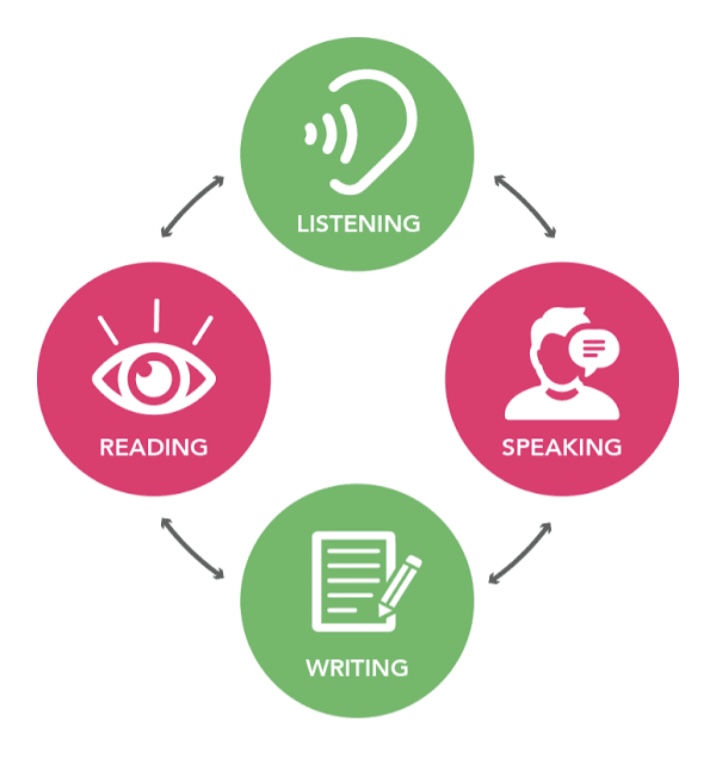
In the 1990s, there was a push to incorporate kindergarten and even preschool reading and writing skills into the K-12 curriculum. This is an instance of how confirmative evaluation contributed to the development of national educational policy. Several school districts around the United States introduced the Listening, Speaking, Reading and Writing (LSRW)/Ginn Beginning Reading Program in their kindergartens in 1973.
Several years later, Hanson and Siegel published a technical study that detailed how a subset of these pupils compared to the students from the same district who had different kindergarten experiences. The assessment used to compare the pupils was created expressly to assess both existing reading abilities and the kindergarten reading program’s prospective benefits. In addition, the confirmative evaluation was based on significant summative evaluation data collected from a broad national sample of kindergarten teachers who used the curriculum.
• Intervention
Instead of first grade, participating school districts offered a formal beginning reading program in kindergarten. The idea was to improve the reading abilities of K-12 children by introducing them to basic reading concepts and skills at a younger age than that allowed by standard school curricula. Moreover, the program’s goals were to improve reading skills, reduce the need for remediation, and create a good attitude toward reading.
• Results
As a result of receiving regular reading instruction in kindergarten, the high school students demonstrated a clear and consistent trend of enhanced reading ability. Those high school pupils who participated in the kindergarten reading program were better readers than those who did not.
Students who participated in the program also had better grades and greater attendance. In addition, they had a more positive attitude toward reading and less remediation needs. The findings of this confirmative study matched those of similar long-term evaluations of early intervention programs in scientific curricula.
• Deductions
This study supports the use of confirmative assessment to make policy in the field of education. In addition, one can apply it to other settings such as business and industry. The research shed light on a variety of confirmative evaluation goals, including the following:
– It aids policymakers in developing policies that have long-term benefits. This includes the policy of incorporating reading skills into the kindergarten curriculum based on evidence of improved student performance.
– Secondly, it provides a reasonable foundation for program improvement, throughout its life cycle.
– It aids in the resolution of any discrepancies that exist between declared aims and actual outcomes.
– Finally, it improves the cost-benefit ratio. For instance, a school district’s requirement for less remediation may result in lower expenses.
Who Should Perform Confirmative Evaluation?
Confirmative evaluation necessitates a unique perspective as well as excellent analytical abilities. One method is to use a group of impartial evaluators to see if the performers have retained their level of proficiency after the program was implemented and if the program itself still meets the intended outcomes. Another option is to utilize an outside evaluator in conjunction with a subject matter expert who is familiar with the performance or the environment in which the participants work.
Image Sources: Shutterstock and Unsplash
Also Read: Stealth Assessment: Meaning, Design And Model
For more information on Confirmative Evaluation, visit our blog.
Create. Engage. Inspire.
The post Confirmative Evaluation: Meaning, Scope, Purpose And Model appeared first on Test.Evelyn.
]]>