The post Application of DOK Levels in Mathematics appeared first on Test.Evelyn.
]]>The example questions within each level are listed in increasing order of difficulty. Based on these, you can develop your own questions appropriate for the targeted learner’s proficiency.
DOK Level – 1
- Determine the area of the rectangle depicted below.
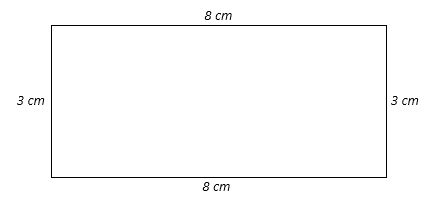
- Identify the following polygon. Also, what are the internal angles of the given polygon?

- Solve the following linear equation for x.
15x + 14 = 49
- What are fascinating numbers? Explain with an appropriate example.
- What is the probability of rolling a sum of 3 using two 6-sided dice?
DOK Level – 2
- Demonstrate the Pythagoras theorem using an example.
- Identify and label the plane and three-dimensional figures in the following images.

3. Describe the 7 different types of quadrilaterals along with diagrams.
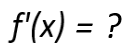
4. Discern the derivative of f(x).
5. Fill in the blanks with appropriate numbers: _ / _ X _ / _ = 2/3
DOK Level – 3
- Connect the highlighted points and calculate the areas of all the triangles, rectangles, and squares that are possible. With the help of the area calculator, you can find the area of all the triangles.

2. Explain with an example how changing the dimensions of a sphere would affect its area and circumference.
3. Fill in the blanks such that the product is as close to 6/23 as possible.
_ / _ X _ / _ =
- Come up with a non-routine pattern and create a mathematical rule for it.
- Predict the next 3 numbers for the pattern given below.
3, 5, 12, 14, 20, 22, 28, 30, 36, 39
DOK Level – 4
- Create a non-Euclidean geometry. Additionally, give the general form of the geometry you use, along with an example equation and its graph.
- Draw and label a nine-point circle. How do you find its center? Explain with the help of a diagram.
- Collect data related to the average temperature in your town. Additionally, analyze the data with reference to previous temperature patterns. Also, predict the average temperature of your town for the next 5 years. Provide relevant graphs.
- What is the main conjecture of the Iwasawa theory? Has it been proved? Conduct research and expound upon the theory along with relevant citations.
- Write a system of equations to describe the situation given below. Additionally, solve using the method of elimination and fill in the blanks.
A five-day fund-raising event is being held in the city center. Yesterday, the organizers sold 45 tables and 30 chairs, and raised a total of $1,350. Today, they sold 40 tables and 28 chairs, and raised $1,220. How much does a table and a chair cost?
Developed by Norman L. Webb, the Depth of Knowledge framework has proven to be an effective tool for designing assessments and analyzing their results. Its application has helped in developing effective assessment strategies and has also guided the way for remediation. As it provides a well-categorized and multilevel working of the assessment process, its application enables the teachers to assess the students at different levels of understanding.
References:
Secondary Math Matrix – Robert Kaplinsky
Support Materials for Core Content for Assessment
Image Credits:
Visit our blog for further reading about ELA and Science DOK standards.

Create.Engage.Inspire
The post Application of DOK Levels in Mathematics appeared first on Test.Evelyn.
]]>The post Augmented Learning (AR) Teaching Methodologies appeared first on Test.Evelyn.
]]>Augmented Learning does away with a big chunk of descriptive text. Instead, the learners confirm their observations with the help of visual aids, which are better for knowledge and information retention. Moreover, learning can be directed toward gathering facts without much difficulty and applying learning in real-time rather than reading and memorizing content.
The first requisite to employing Augmented Learning in your classroom is to ensure that every student has a smartphone/tablet with a functioning camera. Thanks to the ubiquitous nature of technology, smartphones are not too difficult for students to have. Chances are that your students already have one at home. For the ones who don’t, their inexpensive nature has made procuring smartphones an easy task.
Implement Augmented Learning in Your Class
There are a variety of Augmented Reality tools that are already available on the internet. These tools help create learning content that is both exciting and informational.
- Educators can easily add speech bubbles, characters, Snapchat-like filters, open-ended and multiple-choice questions and also embed YouTube videos when creating their own AR experience for students.
- Employ creative digital puzzle boxes! Several AR-related tools are available on the internet to offer learning activities for students in the form of puzzles. For example, Breakout EDU.
- Create customized markers. Augmented Reality markers, or AR-markers, are visual cues that trigger a certain virtual response. Using various tools available on the internet, teachers can conveniently make their custom AR markers. There are already several custom-made markers available online. These custom markers ensure that Augmented Learning is directly linked to the content of the lesson.
- Go on an Augmented Journey! AR experiences can also be placed at physical locations through the use of GPS coordinates. Teachers can add layers of learning and interaction in a day outing. They can also assign points to places of interest, which the student can collect by visiting.
- Encourage Students to Create. Some platforms, such as the Metaverse AR Platform, do not require any coding to create AR experiences. So, students can make use of these resources to demonstrate learning in a single class. Moreover, they can share the final product with friends and family outside the classroom.
Aurasma and Layar are two apps that employ Augmented Reality for education and are easy to set up. Using the Aurasma app, one can link AR triggers with online content that may include a static image, site content, et al.
Limitations of Augmented Learning
- The dependence of Augmented Learning on technology is its Achilles heel. Any student who wishes to experience Augmented Learning, or any educator who is thinking of using Augmented Learning as a learning tool in class, must have unfettered access to smartphones or tablets. Consequently, the experience of Augmented Learning depends on the performance of the device in use. This can soon become frustrating if the technology does not function as expected.
- There is a learning curve involved with developing your own, original AL content. Although there are a plethora of tools available on the internet that will help you develop the kind of AL content you are looking for, expect to put in the time and effort to get a hang of it. You don’t have to be tech-savvy, but creating original AL content does require a few key skills that involve practice.
Teaching in institutions dominated by the Gen Alpha is not the same as the olden times. In a classroom filled with young tech-savvy freaks, who perhaps are exposed to technology more than the teachers, it is almost inevitable and unthoughtful to employ teaching methodologies and strategies that are not influenced by technology. Over the years, Augmented Reality has inadvertently become the most useful resource to aid learning. Blended Learning has been yielding significantly exceptional results in educating children and transforming them into resourceful thinking individuals. Augmented Reality has not just aided the academic front but also contributed to the holistic development of learners. Therefore, it would not be an exaggeration to say that AR is indeed the key to a developed and prosperous future, both economically and socially.
Visit out blog for further reading about learning techniques and teaching methodologies.

 Create.Engage.Inspire
The post Augmented Learning (AR) Teaching Methodologies appeared first on Test.Evelyn.
]]>The post Importance of Gamification in Teaching and Learning appeared first on Test.Evelyn.
]]>If you want to know in detail what gamification is, you can refer one of our old blogs here.
Aspects of Gamification
The applications of gamification are now observable in a plethora of scenarios. It is implemented based on the context it is applied to. Moreover, various entities are adapting to gamification. These even include the U.S Army, multinational corporations, and educational institutions.
A few aspects of gamification that have attracted the scholars and policymakers of our society have been listed below.
- The positive reinforcement approach is the cornerstone of gamification. The use of rewards is a great motivator for achieving results. Additionally, this promotes healthy competition, where the students can track their progress and try to achieve the top status.
- A clear reward-based system provides a motivating platform for improvement, making activities and quizzes more exciting. Adding motivators to the classroom increases the level of learner engagement. These motivators serve to elevate learner experience and curiosity.
- This approach makes it easier for students/users to retain what they are taught. Having fun while learning is a proven strategy for information retainment and retrieval.
- Expect instant feedback after and during every activity. As a result, every task or activity undertaken can be modified and improved on the fly, at every step of the learning journey.
Gamification Contexts
Gamification is already a part of modern classrooms. Creating a leaderboard/starboard in the classroom is also an implementation of gamification in teaching and learning. The top scorers of a test, the students who perform well in activities, or the ones who create the best art project get a star on the board or a badge. This turns the classroom into an interactive space where games function as ancillary tools for learning.
1. Rewards Galore!
A reward system can be set up, where successfully answering a difficult question, scoring the highest on a test, or being the most active class participant earns you a reward. As an example, Khan Academy is a widespread platform that has gamified online learning – you gain points and badges to track progress as you watch more and more instructional videos and solve various problems.
2. Reinvent the Grading System.
The grade every student receives at the end of a semester can correspond to the experience they collected throughout the course period. Submitting projects on time, being regular to the class, and actively taking part in classroom activities are some of the ways to gain experience. This tracks student progress and motivates them to collect more experience as it leads to higher grades and other rewards.
3. Introduce Competition.
A bit of friendly competition brings out the best effort in students. Moreover, learners often find tasks that involve competition highly engaging. Gamification techniques boost the morale of the students and encourage them to participate in the activities.
4. Boost Informal Learning: Gamify Homework.
Educators involved in gamification try to make games that translate learning into informal environments outside of classrooms as they feel that the hours spent in classrooms are often inadequate for learning. Gamification allows and inspires curiosity for learning, even after the school bell has rung.
Students can receive certain quests that they complete as a part of their homework. Additionally, these quests may involve activities that, upon completion, offer some rewards in the form of extra marks.
Gamification receives wide criticism for using rewards as bait. Educationists have argued that the urge to receive rewards undermines the fundamental drive to learn. However, many psychologists have backed the technique with considerable evidence of its effectiveness. Gamification augments learning in a creative manner that not just aids cognitive development in children but also hones problem-solving skills. The use of games is not a replacement for pedagogy but an auxiliary resource that is in place to boost learning.
Sources used for research:
- TopHat blog page
Visit out blog for further reading about learning techniques and teaching methodologies.

Create.Engage.Inspire
The post Importance of Gamification in Teaching and Learning appeared first on Test.Evelyn.
]]>The post Depth of Knowledge Sample Questions for Science appeared first on Test.Evelyn.
]]>DOK Level – 1
Q1. Which theory has most prominently predicted the existence of the long-sought Higgs boson particle?
Q2. What is the most thermodynamically stable form of carbon?
Q3. Define the function of ATP molecules in Prokaryotes.
Q4. What is psychological reactance? Explain with the help of an example
Q5. Who composed the original draft of the US Declaration of Independence?
DOK Level – 2
Q1. What would be the effect on the age of the universe if the Hubble constant is doubled?
Q2. Organize the following elements in increasing order of electronegativity:
- Oxygen
- Fluorine
- Neon
- Carbon
- Helium
Q3. State the differences between polar and nonpolar regulatory molecules based on location and action mechanism.
Q4.What is practical intelligence according to the Triarchic theory of intelligence? Cite relevant sources.
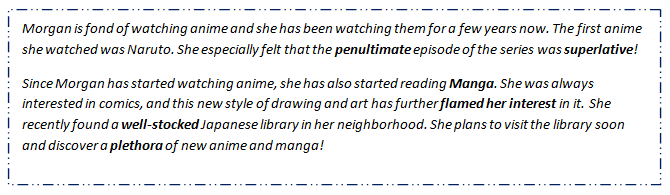
Q5. Read the passage given in the box and use context to identify the meaning of the following words and phrases:
- Penultimate
- Superlative
- Manga
- Flamed her interest
- Well-stocked
- Plethora
DOK Level – 3
Q1. What evidence supports the theory that the satellites of Saturn once showed internal activity?
Q2. Analyze the chemical formula of barium and bromine ions with reference to the periodic table and ionic charge.
Q3. Where are the neurotransmitters located in an axon? Also, elucidate the relationship between presynaptic axon activity and the consequent amount of neurotransmitters released.
Q4. What do the investigations of the research regarding the effectiveness of avoidant and approach coping strategies suggest? Provide sources that substantiate your answer.
Q5. Beowulf is considered one of the most simple yet most intricate works of literature. Every story has a unique reader-narrator relationship. The narrator’s voice directs the reader’s focus and understanding. Analyze the relationship between Beowulf’s narrator and the story.
DOK Level – 4
Q1. Is deep space exploration a crucial undertaking for the human race? Gather information that justifies your choice.
Q2. In its current state, is the upgrading of biomass by means of cyclic adsorption processes a judicious method for producing the remarkable, renewable source of energy – biogas? Answer with reference to current research into alternative biomass upgrading processes.
Q3. What facts can you collate from various sources to prove that Darwinism is an accurate theory?
Q4. If the Milgram experiment, 1963 was to be conducted today, what would the findings suggest? Would they be the same? Different? Substantiate your reasoning with relevant sources.
Q5. In what ways do you think the milieu of millennials differs from that of Generation X? Explain with proper citations and research that validates your conclusions. (graphs/charts/tables).
For additional question patterns, read our Depth of Knowledge blog post.
Refer to DOK Wheel Slide for Teachers and DOK Question Stems for more sample questions.
Visit our blog for further reading about ELA and Science DOK standards.
Create.Engage.Inspire
The post Depth of Knowledge Sample Questions for Science appeared first on Test.Evelyn.
]]>The post Flipped Classrooms Model: A New Gateway To Learning appeared first on Test.Evelyn.
]]>As goes the saying, education is never a one-way process. Unless the learner is made to relate to the information they are loaded with, one cannot produce thinking individuals. In the light of making learning a more interactive experience for the learners, a relatively modern approach to education is now becoming ubiquitous in the education ecosystem. This method entails the use of electronic and online tools in conjunction with traditional classroom learning as part of imparting knowledge and is called Blended Learning. There are many successful teaching practices that employ blended learning, and one of them, which has caught the attention of most educationists everywhere, is the Flipped Classrooms concept.
What Is A Flipped Classroom Model?
Suggestive enough by the name, a flipped classroom upturns the traditional classroom methodology wherein the teacher simply imparts information related to the topic being taught while the students just follow her moderation with no or very little scope of interaction beyond bounds. Simply put, in a flipped classroom setting, the teacher and the students engage in discussing the subject and explore the intricacies together as scholars rather than just playing roles of teacher and student as in a traditional classroom.
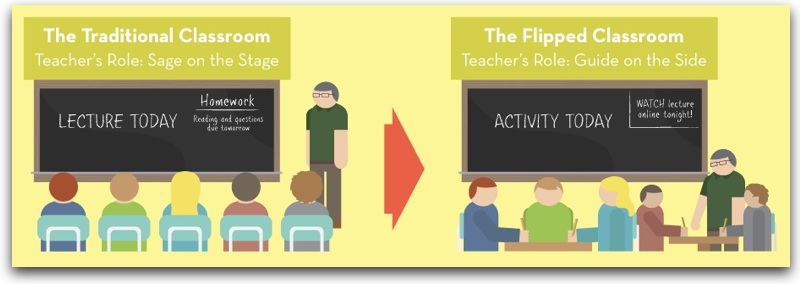
The coursework or the learning content is provided to the students even before they enter the classroom, usually via online mediums, in the Flipped Classrooms approach to teaching. The students are expected to familiarize themselves with the coursework outside the classroom. What goes on inside the classroom in the presence of a teacher is an interactive session for exchanging the ideas of the students, clarifying problems, if any, and practicing relevant concepts.
Flipped Classroom As A Tool of Blended Learning
Since the Flipped Classroom approach is a type of blended learning, online learning is a core part of this concept. The students watch online lectures, synchronously or asynchronously, and engage in online discussions. Moreover, they may carry out research related to the curriculum at home. Additionally, the students delve deeper into the topic during the class. Activities such as reviewing, which have been traditionally associated with homework, are performed during the class as well.
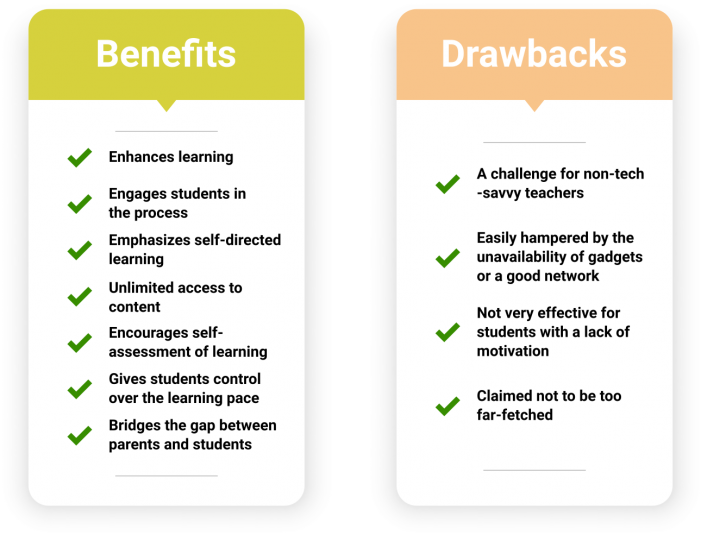
Drawbacks and Benefits of Flipped Classroom Model
Promoters of the Flipped Classroom Model
The concept of Flipped Classrooms has perhaps been the most widely recognized due to the popularity of a book published by chemistry teachers Jonathan Bergmann and Aaron Sams in 2012. They implemented the Flipped Classroom approach in their class and published their findings through the book.
Another propagator of the Flipped Classroom style of teaching was Sal Khan, the founder of Khan Academy, a free online education platform. It provides thousands of instructional lectures on Math and Science. These lectures are free to access for one and all.

Is the Flipped Classroom Approach Really Effective?
With the advent of technology, this teaching practice can be practically applied to teach certain groups of students. For example, at the university level.
So, the question isn’t “can it be done?”. The question is “whether it should be done?”.
The general consensus reached by the education community is that, under the right conditions, the Flipped Classrooms approach is one of the most ideal methods to dive deeper into the course curriculum and teach students efficiently.
Removing lesson delivery from the list of things done in the classroom frees up precious time. It is best to use this time judiciously, further understand the topic, collaborate, and employ activities that promote long-term retention, and develop problem-solving skills.
You can get more information about Jonathan Bergmann and Aaron Sams’s book here.
Read about the practical implementations of the Flipped Classrooms approach on this slideshare post by Michelle Pacansky-Brock and NC State Uni blog post by Jimmy Ryals.
Images: Wikimedia, Pixabay and Flickr.
For further reading related to pedagogy and education standards, visit our site.
Create. Engage. Inspire
The post Flipped Classrooms Model: A New Gateway To Learning appeared first on Test.Evelyn.
]]>The post Design Thinking: Teaching Methodologies appeared first on Test.Evelyn.
]]>Design Thinking is a practical and creative problem-solving school of thought that takes a solution-based approach. Moreover, it is an iterative process that does not have to take place sequentially, i.e., it is non-linear.
This teaching methodology prepares students for the world outside of classes and school. Thus, they solve real-life cases through brainstorming, group analysis, creative solutions, and original ideas. This arouses their curiosity, imagination, and analytical skills.
What is the Design Thinking Approach/ Procedure?
The Design Thinking approach imbibes confidence within students in their abilities to adapt and face new hurdles. They also become capable of coming up with creative solutions to the questions they are faced with.
MBA training and Masters classes often employ this approach to teaching in order to examine actual past cases experienced by various companies. Some examples of big-league design-led corporations include Apple, IBM, Pepsi, Nike, Procter & Gamble, et al.
The procedures most closely associated with Design Thinking are: Empathize, Define, Ideate, Prototype, and Test. Although depending upon their application, the names of these steps may vary.
The typical steps that the Design Thinking approach employs are listed below.
1. Empathize
The first step in Design Thinking is to understand the problem using empathy, typically through user-research. This ensures that our own assumptions are set aside, leading to an objective approach towards the problem.
The best solutions come out of the best insights into human behavior.
– Hasso Plattner Institute of Design at Stanford
Step Goal: Placing yourself in the shoes of the student/user and analyzing the situation and the problem.
2. Define
The information gathered during the previous process is collated; the scattered pieces of information are arranged into a cohesive problem statement.
The analyzing of all the collected information takes place in order to define the core problem. What’s more, an actionable and relevant problem statement is defined in this step.
Step Goal: The overarching aim of this step is to discern the scope and the actual nature of the problem.
3. Ideate
In this step, the design team uses the knowledge from the previous two stages in order to come up with ideas and solutions. Additionally, these are then established through various sessions that may involve brainstorming, mind-mapping, sketching, and others.
This step combines the perception of the problem that the design team has with their imagination to come up with a broad range of ideas.
Step Goal: The aim of ideation is to generate as many varying ideas as possible.
4. Prototype
The design team works on the idea and comes up with potentially multiple solutions. Moreover, the discarding of impractical or unsustainable ideas also takes place during this stage.
A prototype may be a role-playing activity, a storyboard, a wall of sticky notes – anything the user can interact with. In the early stages, the prototype designed can be low level, requiring limited resources.
Further refinement of the prototype occurs in the succeeding stages of this step. For Example: Do the students enjoy studying using audio cues or visual cues more?
Step Goal: The aim of this process is to figure out the best possible solution to all the problems identified in the preceding steps.
5. Test
At this stage, the design team rigorously tests the solutions suggested in the previous step. This is the concluding stage of this process, but since Design Thinking is an iterative process, the solution test can be used to redefine other problems.
After this stage, the designers may return to one of the aforementioned steps and create further iterations, changes, and refinements. Moreover, based on the results of this stage, they may discard alternative solutions.
Step Goal: To check the efficiency of the prototype and to gather crucial feedback about it.
For further reading related to education methodologies, visit our blog page.
Create.Engage.Inspire
The post Design Thinking: Teaching Methodologies appeared first on Test.Evelyn.
]]>The post A Glimpse into the World of Online Tutoring appeared first on Test.Evelyn.
]]>Benefits of Online Tutoring
- This approach to teaching does not pose any geographic limitations and enables the same knowledgeable tutors who conduct face-to-face classes to administer learning but via new means. Thus, this frees the tutors from having to travel to the tutee’s location, and the sessions can be arranged as per the convenience of the tutee. Also, impromptu sessions in case of doubts or for understanding specific topics can also be easily arranged.
- Online learning is becoming fast prevalent in universities and the job sector. Students opting for online tutoring become familiar with the commonly used online learning tools early.
- With the presence of personal computers and the internet in the majority of households, online tutoring has quickly established itself as a legitimate medium of knowledge transfer. Moreover, various government-officiated tests and exams are now being conducted online. This is a testament to the fact that the internet is now an essential tool for education and learning.
Its Potential Downfalls
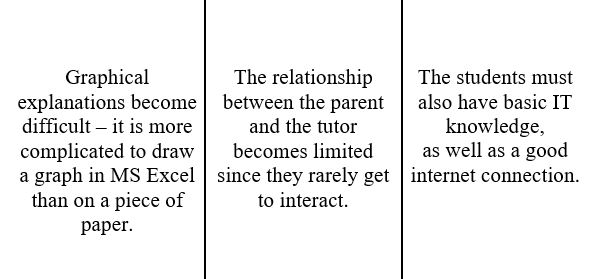
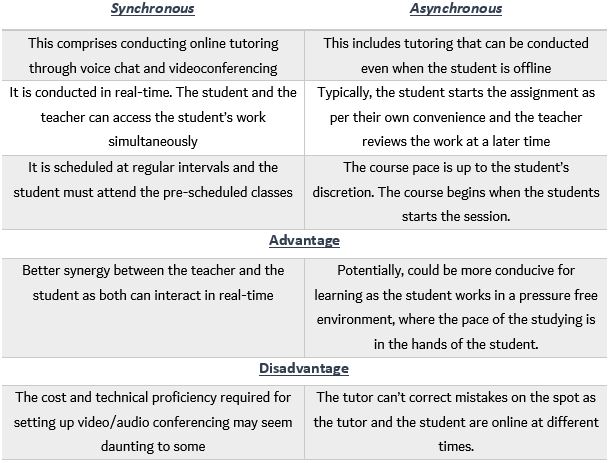
Synchronous v/s Asynchronous Online Tutoring
One-on-One v/s One-to-Many Teaching
According to various surveys and studies, most students prefer one-to-one learning as opposed to being taught as a group. However, this comes with its own challenges.
The training that most tutors receive prepares them on how to attend a class. Thus, a one-on-one situation may prove to be uncomfortable. Another problem arises when the relationship between them becomes blurred. This situation occurs when the teacher-tutor interaction becomes familiar since the entire focus of the tutor is on a single tutee.
Conversely, this undivided focus on the strengths and weaknesses of a single student can be conducive to the student’s growth. As a consequence of this focused attention, the teacher is able to tailor the study structure based on a single person’s need, and not to those of a group of unique proficiencies.
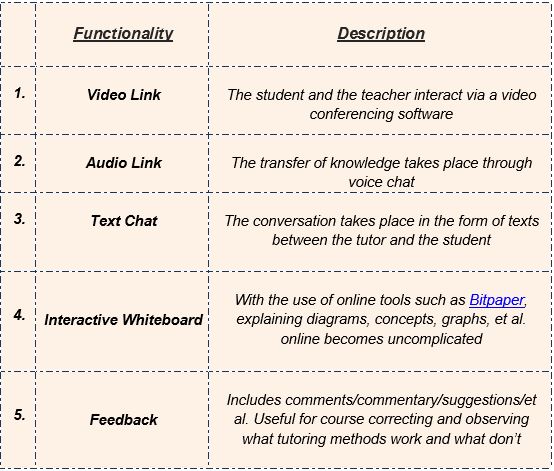
- The relatively recent and reliable presence of certain key technology has added another crucial facet to the ecosystem of online teaching. That facet is Live Online Tutoring.
- Live Online Tutoring entails the student and the teacher interacting in real-time. This ensures that clear communication takes place between them.
- This form of tutoring closely resembles traditional face-to-face tutoring, although it is not a complete education per se.
For further reading, refer this Emerging EdTech webpage for a fascinating insight into the benefits and drawbacks of Online Teaching. You can also read about One-to-One teaching in-depth at this TEFL & TESOL Training webpage.
You can also read our article about the best practices associated with effective online tutoring here.
For further reading related to education methodologies, visit our blog page.
Create.Engage.Inspire
The post A Glimpse into the World of Online Tutoring appeared first on Test.Evelyn.
]]>The post Common Core State Standards And Its Significance appeared first on Test.Evelyn.
]]>What Is Included in the Common Core State Standards?
This explicit set of college- and career-ready standards provide guidelines for the course content for kindergarten through 12th grade in English Language Arts/Literacy and Mathematics. The objective of proposing the CCSS was to establish standardized eligibility criteria for higher education.
Additionally, one of the distinguishing features of the Common Core is that unlike the previous state standards, which varied from state to state, Common Core establishes a healthy collaboration between different states on a variety of tools and schemes. These include:
- Creating digital media, textbooks, and other teaching materials
- The development and eventual implementation of standardized vast assessment systems that take the place of current state testing systems
- The establishment of tools and other support to help educators and schools ensure that all students can learn the new standards.
Adoption of the Common Core State Standards
The actual implementation of this set of standards has been fraught with lawsuits, protests, and political debates. To say that a move to completely restructure the American Schooling system has been divisive is an understatement.
However, presently, forty-two states, the District of Columbia, four territories, and the Department Defense Education Activity (DoDEA) have adopted the Common Core State Standards. Initially, its implementation in various states started quickly, but it eventually lost momentum. Also, a minimum of 12 states introduced legislation that prohibited its implementation.
Many teachers were not used to teaching using these standards, and the students were not used to learning this way either. Therefore, the shift from a state standard to Common Core was a difficult one.
Timeline of CCSS

Is CCSS Important?
There was a collective call to establish national standards when a report in 2004, titled Ready or Not: Creating a High School Diploma That Counts, discovered that the expectations of colleges and employees from high school students are higher than before.
The American Diploma Project (launched by Achieve, Inc.) published this report. It identified a misalignment between the various tests that a student takes throughout the course of their education. This also includes the tests that the students take during their eventual employment/higher studies.
The report goes on to identify the major hurdle that the American school system is facing. It states that high school graduates do not have the skills and knowledge required for flourishing in college or a profession.
According to the report, the value of a high school diploma is severely diminished. This is because the graduates cannot successfully compete beyond high school. As a response to this problem, the report recommended establishing a nationwide set of rigorous standards.
Common Core State Standards – Math
The mathematical standards entail the knowledge and skills crucial for students to be ready for higher studies, profession, and life. It focuses on a clear group of mathematics skills and concepts. Moreover, they encourage students to work on and solve real-world issues. Additionally, the stated aim of this standard is to achieve greater focus and coherence in the curriculum.
The first step in devising the standards was research-based learning progressions. These detail the current information about how a student’s mathematical knowledge, skill, and understanding develop over time.
The Common Core Math Standards strive to provide clarity and specificity as they ignore open guidelines leading to ambiguity as much as possible. The conceptual understanding of crucial ideas was not the sole focus of these guidelines. Consistently coming back to organizing principles, such as place value and the laws of arithmetic to shape those ideas, also plays a major role in these standards.
Common Core State Standards ELA
The Common Core State Standards specify the framework for English Language Arts (ELA). Also, the guidelines for literacy in history/social studies, technical subjects, and science are included in CCSS.
The students of this century should learn to read, write, speak, listen, and use language effectively in a plethora of content areas. So, to prepare high school students for higher studies and careers, the standards promote the necessary literacy skills and concepts.
The teaching imparted under the Common Core prepares high school students for life outside school. This includes inculcating critical-thinking skills as well as the ability to meticulously read texts such that it helps them understand and enjoy complex works of literature.
Students also learn cogent reasoning and evidence-gathering skills. These are crucial for success in higher studies, employment, and life. The aim of the standards is to produce a truly “literate” person of the 21st century.
Sources:
Visit the CoreStandards.org website to read more about education standards and the complete set of CCSS protocols.
Read the full “Ready or Not” report here.
For further reading related to pedagogy and education standards, visit our site.
Create.Engage.Inspire
The post Common Core State Standards And Its Significance appeared first on Test.Evelyn.
]]>The post Effective Practices for Online Tutoring appeared first on Test.Evelyn.
]]>The moniker Instructional Designer has to be understood before we enter an in-depth article about Best Practices for Effective Online Tutoring. (You can skip the following section if you’re already familiar with the term.)
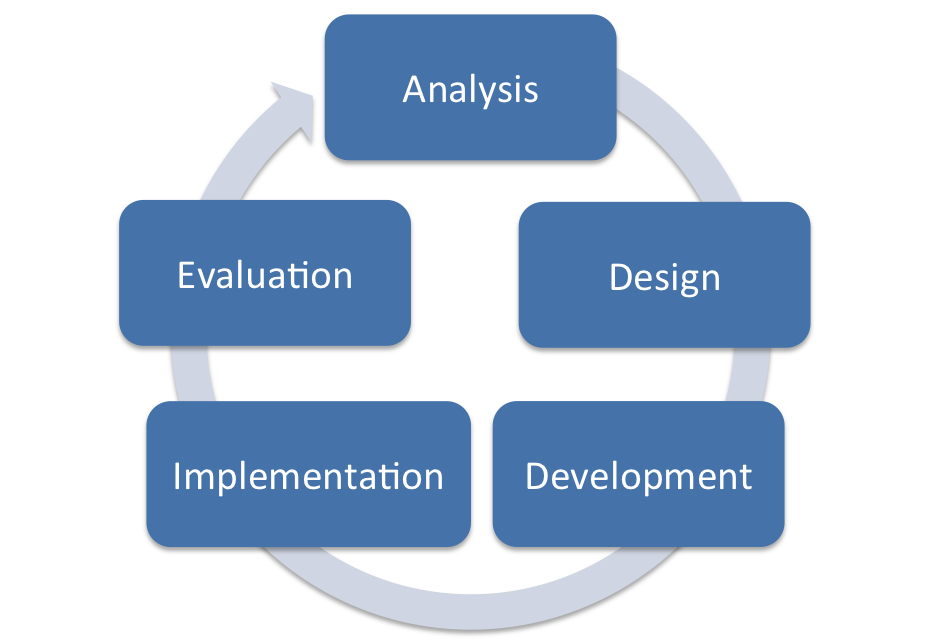
Instructional Designer
An Instructional Design or Instructional System Design is known as a systemized organization of learning material and resources to achieve the desired learning objective and acquisition of knowledge. It is a multistep procedure that involves identifying the objective, to begin with, followed by devising a strategic plan to achieve the same, developing suitable learning material and resources, and assessing its efficacy. An Instructional Design is created by an Instructional Designer.
The key responsibilities of Instructional Designers include:
- Identify the student’s needs and help the faculty set teaching goals.
- Keeping in mind the student’s proficiency and factors associated with effective online tutoring and learning (schedule, study environment, comfort level), they strive to create a fluid course content to keep the learners constantly engaged.
- Work with the respective Subject Matter Experts (SMEs) to help create coursework and assessment tools (quizzes, tests, et al.) that are suited to the needs of the student.
- In coordination with SMEs, design- and tech teams, they ensure that the interactive/multimedia tools used in the online course do not inundate the learners.
- It can be said that instructional designers are the glue that holds an online course together. They must have a cordial relationship with the faculty, the learner, and the support teams as well to ensure that the course is as learner-friendly as possible.
What Makes a Good Online Tutor?
A good teacher, be it online or offline, always has to go the extra mile to make their students grasp every bit of the concept being taught. It is always a little more difficult for the online tutors as they miss the physical presence of the students and cannot monitor their activities in real-time.
- A good online tutor must ensure that an engaging instructional design is created for the students.
- Holding the students’ attention until the end of the session is extremely significant for achieving the best results.
- Employing most, if not all, of the best practices in the lesson plan has proven to be effective in making promising online sessions.
- Among the few listed earlier, the most important, almost indispensable best practice is creating a discussion forum. It enables the students to interact with the tutor and their fellow students through online mediums and get a better understanding of the concept being taught.
Online tutoring is deemed to be the most widely used technique of imparting education in the future. So, the teachers must explore the medium and come up with notable contributions for the betterment of the same.

Best Practices for Effective Online Tutoring
1. Coordinate with an Instructional Designer
Instructional Designers help make the course more attuned to the student’s needs, and they bring the latest teaching methodologies and creative ideas to the table. This helps in incorporating engaging and effective web tools and technologies in the online course. Instructional Designers also play a vital role in connecting all the course content and activities with the learning objectives and goals.
2. Be Student Friendly
It could be the first online course for a lot of students. So, an open and welcoming introduction goes a long way to make them feel welcomed and to maximize learning.
3. Establish Clear Schedule and Learning Objectives
Distinctly specifying the schedule, due dates, and course content helps students create a reliable timetable and allocate time for the online program, and it also promotes regularity. Also, ensure that the course content is aligned with the course goals and assessments. Supplementary exercises and content are good for students who learn at a high pace, but adding additional content may overwhelm certain students.
4. Consistent Online Presence
A crucial expectation from an online tutor is frequent online presence. Ideally, tutors should be present online multiple times a week, the daily online presence being the best. Unless they are told otherwise, students expect the faculty to be online whenever they are, regardless of the time.
5. Employ Synchronous and Asynchronous Activities
Synchronous Learning: Real-time activities (video chat, audio ink, et al.)
Asynchronous Learning: Interaction or activities that do not require the participants to be online at the same time (text chat, recorded audio/video messages, et al.)
Synchronous tools like virtual live classrooms, real-time collaboration tools, and a multitude of web tools and smartphones that support synchronous chat, video calls, etc. have made the online learning experience very similar to the classroom learning experience.
You can read about Synchronous and Asynchronous tutoring in detail in our post: Online Tutoring.
6. Regular Feedback from Students
Regular and early feedback from students helps discern what is working and what isn’t. Moreover, it reinforces important information, skills, concepts, et al. Selecting the most effective method of feedback will make students feel that their say in the course is also heard. This could be done through an online one-on-one video call session, a text forum, a Q&A session, etc.
7. Create a Discussion Forum
There should be an online community where learners can come together and raise their doubts. Additionally, a learning community is great for the growth of students as they interact with each other in real-time and get a chance to develop friendships outside the course. If the students see the faculty put time and effort into the forum, they too will. Most websites recommended checking these discussion boards twice a day. Also, not every comment requires a response, just those which seem well-thought-out and those which may spark further discussions.
8. Pull Content from Varied Digital Sources
Carrying around textbooks feels like a thing of the past for online learners in the present age. They also respond more enthusiastically to readily available digital tools and resources. Thus, this practice motivates students to make the best use of internet resources. For reference, the content in digital format can refer to e-books, simulations, tutorials, et al. Tutorials related to complex engineering, physics, business, and chemistry keep increasing in quality and quantity and are easily available on the internet.
9. Core curriculum + Individualized Focus Learning
Any course worth the salt will have a good mix of core concepts and a progressive set of complex and customized learning activities to help understand and learn those concepts. Additionally, an ideal process of learning concepts requires the use of patterns and relationships.
Tip: Designing personal goals/exercises that are closely linked to the course goals is extremely beneficial for each student individually and as a group.
10. Have a Good Wrap-Up Activity
As the end of the course approaches, students might feel inundated with the amount of work remaining. Thus, a proper schedule and making a list of remaining tasks are great ways to combat this. The course-end sessions should ideally include analyses, summaries, student presentations, and a concise revision of the concepts included in the course. These concluding sessions also serve as a great medium for reinforcing concepts and skills already taught.
And last of all, you should have fun teaching!
Articles from Arizona State University, Stanford University and Brown University were referred while researching this post.
To read other interesting posts relating to technology, education, and research, visit our blog page.
Create. Engage. Inspire
The post Effective Practices for Online Tutoring appeared first on Test.Evelyn.
]]>The post Depth of Knowledge (DoK) appeared first on Test.Evelyn.
]]>A senior research scientist and mathematics teacher from the University of Wisconsin-Madison, Norman L. Webb, conducted extensive research throughout the 1990s and developed a system for methodically analysing education-related tools and standardized assessments called the Depth of Knowledge (DOK).
Originally, Webb developed Depth of Knowledge only for the field of mathematics and science standards. However, the scope of his research and the concepts he presented had wide application. So they have been further elaborated and employed in the fields of language arts, social studies, science, mathematics, and history.
Through this post, we’d like to re-examine one of the most influential (sometimes even controversial) models ever to be introduced in education as objectively as possible. What’s more, since the application of this rubric for alignment analysis is extremely far-reaching, it is often misconstrued.
Webb’s Depth of Knowledge
In his Depth of Knowledge module, Webb specified four distinct levels that have been adapted to various subjects and are accordingly applied to suit the needs of that field. Also, each level categorizes a group of tasks and represents distinct levels of proficiency in the subject under consideration or depth of knowledge.
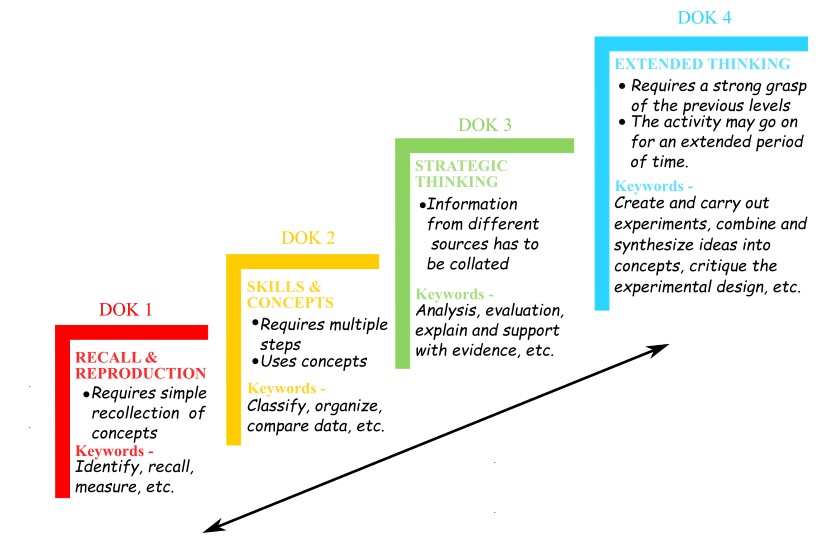
DOK Level-1. Recall and Reproduction
It includes tasks that require a simple recollection of concepts, data, definitions, information, and procedures. Moreover, it is specific to the subject under consideration, focusing on the material being taught or learned. Thus, without a stronghold of this level, students will find it difficult to perform the tasks based on consequent levels. The possible activities involved with this Depth of Knowledge level are:
- Create a chart that shows…
- In your own words, write about ….
- Report to the class…
- Writing exercises that follow certain criteria and set of rules (using punctuation, spelling, etc.)…..
- Locate specific information showed in tables, charts, maps, drawings, graphs, etc….
DOK Level-2. Applying Skills and Concepts
This level makes use of various concepts and mental skills to perform tasks, answer questions, make comparisons, and the conversion of information from one form to another. Therefore, these actions require multiple steps or mental processes.
The information learned should be used in a unique context, i.e., the target information is transformed before it is conveyed.
The following activities are involved with this Depth of Knowledge level:
- Represent the relationship between a number of principles and or concepts….
- Explain a particular concept…
- How to perform a specific task….
- Create a quiz/puzzle/game about the topic….
- State an explanation for the given topic for other readers….
DOK Level-3. Strategic Thinking
The tasks involved with this level of Depth of Knowledge require in-depth understanding and thinking processes like analysis and evaluation for explaining answers, results, and reasons. In other words, the representation of the reasoning behind any conclusion reached is an identifier of the Depth of Knowledge Level-3.
Students need an abstract frame of mind for this level. They also have to collect information from multiple fields and collate it into a cohesive solution for the stated problem. The tasks relevant to the Depth of Knowledge Level-3 are:
- Use Venn diagrams to represent the similarities or dissimilarities between different topics….
- Construct a flow chart showcasing the critical stages of a process….
- Classify the actions of the characters in a novel….
- Identify a list of criteria to judge a particular object or topic….
- Use analysis and evaluation to solve certain real-world problems….
DOK Level-4. Extended Thinking
The tasks assigned to this level are complex and require a strong grasp of the previous levels as well as builds on them. Also, learners have to conduct an investigation through planning, reflection, assessment, and adaption of information from various sources to solve real-world or academic problems over a period of time. Potential projects for this level of Depth of Knowledge are:
- Come up with a jingle to sell a product….
- Activities that require a variety of mental and physical skills…
- Create a menu for a restaurant that focuses on healthy food….
- Come up with tasks that involve formulating and testing hypotheses over a certain period of time…
- Use the appropriate information and solve certain ill-defined problems in novel situations….
To read more about other education standards, visit our blog page.
Create. Engage. Inspire
The post Depth of Knowledge (DoK) appeared first on Test.Evelyn.
]]>